
 RA
RA
Key messages
- Childhood noncommunicable diseases (NCDs) – including diabetes, respiratory illnesses and congenital conditions like sickle cell disease – are rising globally, with the greatest burden falling on underserved communities where access to care remains limited.
- Lilly and UNICEF announced a new six-year collaboration to reach more than 30 million children and caregivers across 21 low- and middle-income countries, strengthening prevention and care for childhood NCDs.
- The collaboration also addresses key risk factors such as childhood overweight and obesity, helping reduce lifelong health risks and improve outcomes for future generations.
- The initiative focuses on strengthening primary health care systems, embedding prevention, early detection, and long-term management of NCDs into routine services so children can access care closer to home.
- UNICEF is supporting the delivery of integrated, sustainable care, including training health workers, improving early diagnosis and expanding access to quality services for children and adolescents.
- Since 2022, various support from Lilly to UNICEF USA has enabled UNICEF to reach nearly 16 million children and caregivers, demonstrating the power of cross-sector initiatives to accelerate progress and expand impact.
NCDs are an urgent and growing challenge for children and adolescents worldwide
Noncommunicable diseases (NCDs) are a growing threat to children and adolescents, undermining their right to health, nutrition, education and play. Conditions such as diabetes, sickle cell disease, congenital heart disease and chronic respiratory illnesses are increasingly impacting young populations. NCDs are often preventable and treatable, yet access to timely NCD prevention, diagnosis and long-term care remains out of reach for many, particularly in low- and middle-income countries.
The risk factors for onset of preventable NCDs later in life are behaviours often established in childhood and adolescence. Today 81% of adolescents do not get enough physical activity, at least 55 million youth aged 13-15 use tobacco or nicotine products, 13.6% aged 15-19 are heavy episodic drinkers, 41 million children under five are overweight or obese and over 90% of those under 15 breathe dangerously polluted air every day.
Weak health systems, combined with limited access to nutritious food and healthy environments, continue to drive inequities in outcomes and place millions of children at risk of lifelong health complications. Urgent and systemic action is needed to protect children from NCDs and their risk factors, providing prevention, early detection and care throughout the life course.
A collaboration bringing NCD prevention and care to youth in LMICs
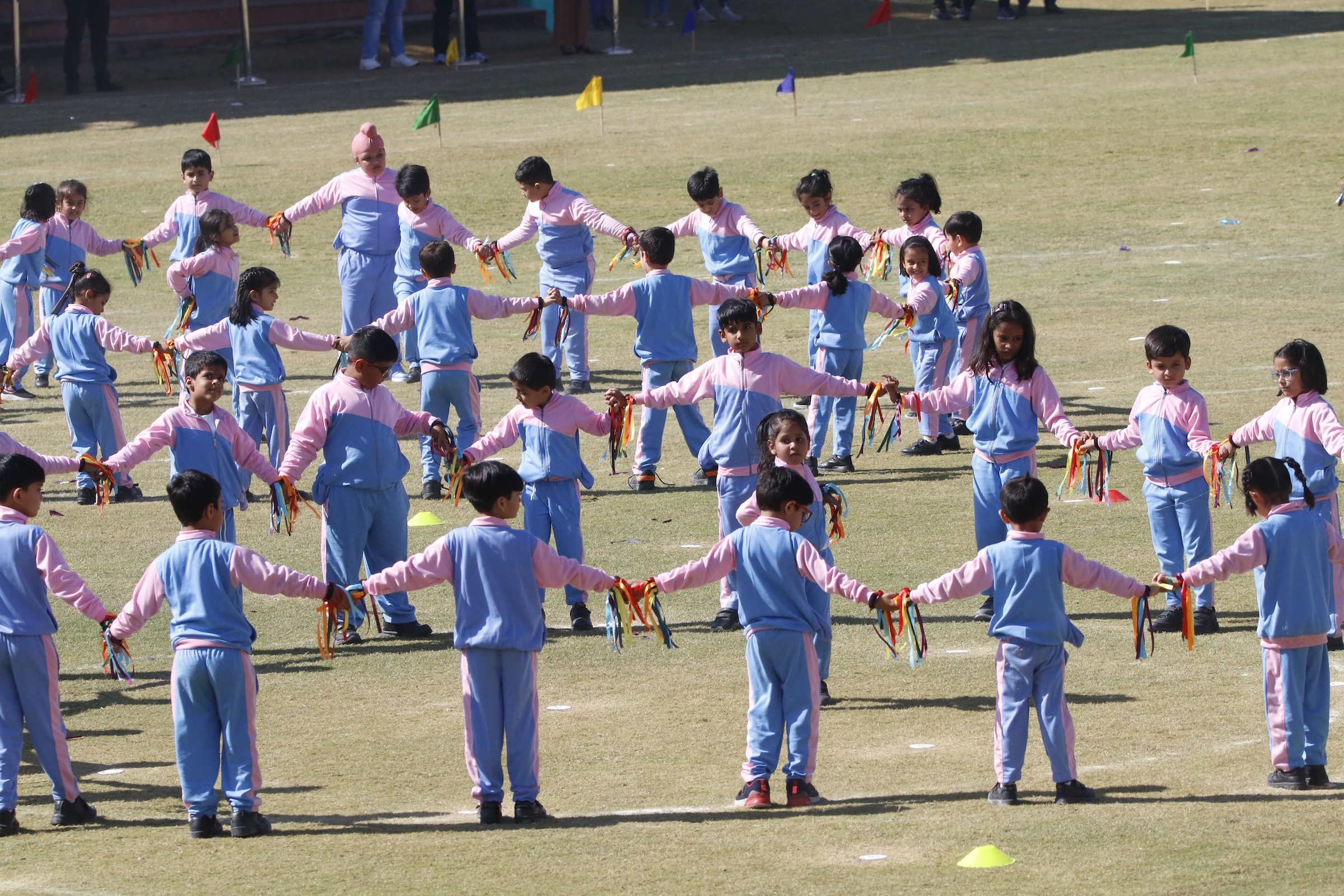
Through a new six-year collaboration, Lilly and UNICEF are working together to reach more than 30 million children, adolescents and caregivers across multiple low- and middle-income countries. At the heart of this initiative is a shared commitment to strengthen primary health care systems so that prevention, early detection and ongoing management of childhood NCDs become part of routine, accessible care.
UNICEF will help local governments integrate NCD services into health systems, ensuring that children can be diagnosed earlier, cared for closer to home and receive the support they need. This includes training and equipping health workers, expanding community-based services and improving access to affordable, quality care. The initiative also places a strong emphasis on prevention – addressing key risk factors such as overweight and obesity – and supporting families and communities with the knowledge and tools to promote healthier lives from an early age.
Since 2022, various support from Lilly to UNICEF USA has enabled UNICEF to reach nearly 16 million children and caregivers, demonstrating the power of cross-sector initiatives to accelerate progress and expand impact.
By strengthening health systems and embedding NCD prevention and care into primary health services, this initiative is helping change how countries respond to childhood NCDs, giving more children the chance for a healthier start and future.
UNICEF does not endorse any company, brand, product or service.