
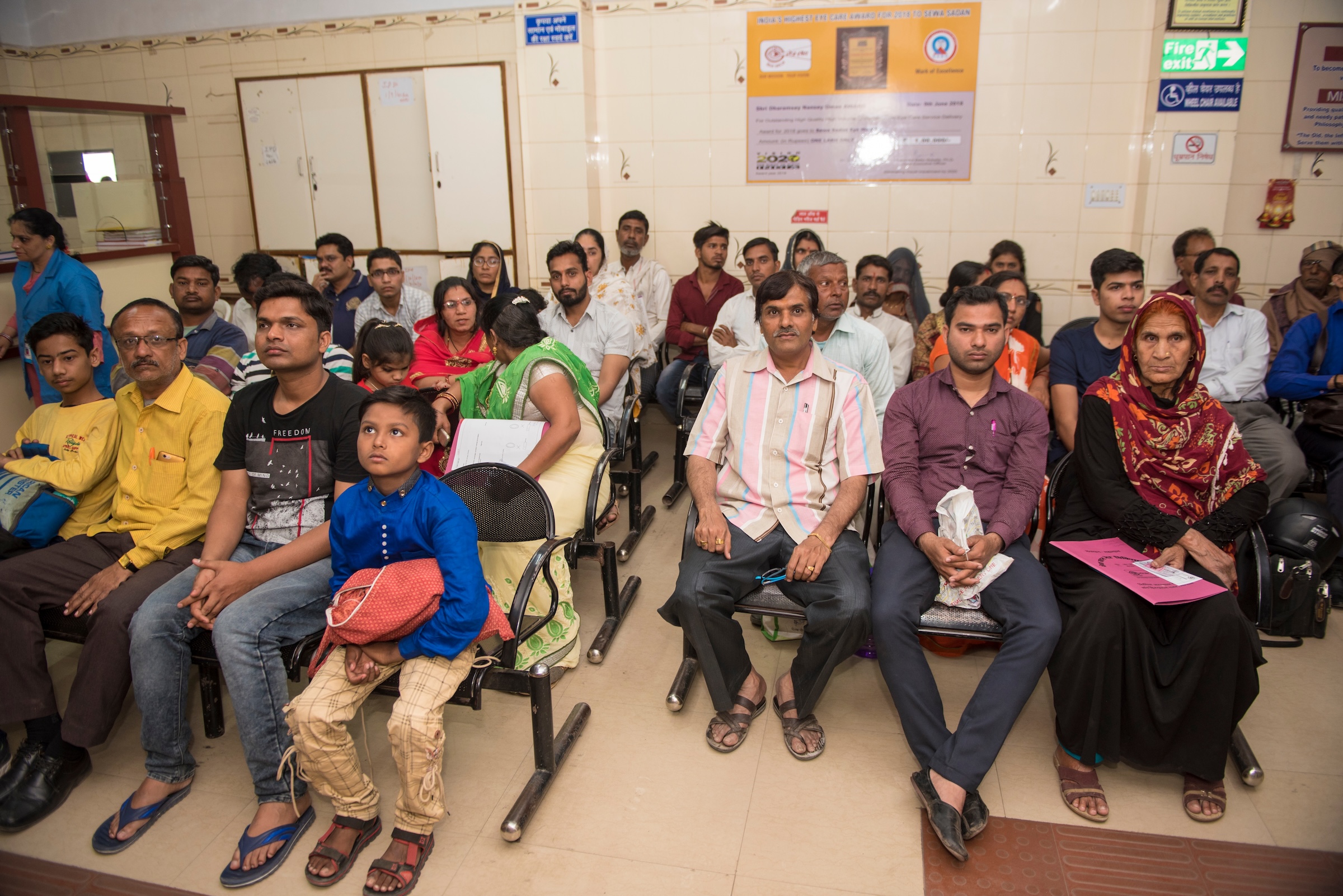

The 2024 blog, Towards Equitable NCD Care in India, by the Healthy India Alliance/India NCD Alliance (HIA) underscored the need for equity-driven noncommunicable disease (NCD) response and the critical role of meaningful involvement of people living with NCDs and community voices. Building on the momentum for the Fourth UN High-Level Meeting (HLM4) on NCDs, we at HIA, together with HRIDAY and the Indian Institute of Public Health – Hyderabad, conducted an assessment across two distinct geographic and social contexts, in North India (New Delhi) and in South India (Hyderabad).
The assessment highlighted deep inequities in NCD prevention and care, identifying who faces disproportionate barriers, why they are left behind, and how stakeholders can lead the translation of equity commitments into concrete action. A comprehensive Report on NCDs and Health Equity in India was released at the 9th National Consultations on NCDs under the theme #LeadOnNCDs, to ensure no one is left behind. The report was further disseminated in a sub-national Roundtable Meeting on NCDs and Health Equity.
Aligned with the NCD Alliance’s Call to Lead and UNHLM 2025 theme, Equity and integration: transforming lives and livelihoods, these initiatives brought together important stakeholders representing government, civil society, medical professionals, lived experience champions, academics, researchers, social scientists, and the private sector. A key win for our Alliance was that India’s official interventions at the UNHLM echoed our findings, emphasising equity and empathetic care, lived experience expertise, and multistakeholder leadership, as national priorities.
Understanding Diverse Realities: Reimagining India’s NCD Response Through Inclusive Leadership
Our assessment highlighted who is being left behind, including migrant communities, urban resettlement colonies, marginalised rural populations (especially women), LGBTQIA+ groups, people with disabilities, older adults, and those with multimorbidity. Healthcare system gaps like long waiting times, limited diagnostics, unavailability of medicines, high out-of-pocket expenditure, and lack of empathetic approaches, combined with gender norms, language barriers, stigma, and discrimination further deepen the vulnerability and explain why these populations are left behind. Key recommendations aimed at strengthening governance and people-centred decision-making across all levels of the health system. Institutionalising the meaningful involvement of people living with NCDs and capacity-building of healthcare providers on empathetic care emerged as foundational pillars for advancing leadership reforms.
The assessment also identified the pivotal role of civil society organisations (CSOs) and national alliances as bridges between lived experience champions, health systems, and policymakers. Strengthening primary healthcare, expanding financial protection through simplified and inclusive insurance schemes, and widening the reach of PM-JAY and other national NCD programmes are essential steps toward more equitable and responsive care for underserved populations. Moreover, advancing multisectoral action and addressing intersecting vulnerabilities through gender-responsive, disability-inclusive, and culturally competent services will be critical for reinforcing leadership and achieving equitable, people-centred health outcomes directly supporting India’s progress toward Universal Health Coverage (UHC).
The assessment demonstrated that the lived experiences of people living with NCDs, including children and young people, significantly shape and strengthen their care pathways. Hence advancing equity in NCD care demands coordinated, multistakeholder leadership bringing together government, health professionals, academia, CSOs, development partners, and lived experience advocates to drive sustained systemic change.
The Road Ahead
Aligned with the Global Week for Action on NCDs campaign theme of closing the leadership gap, the recommendations from this assessment offer the Alliance a practical roadmap to advance people-centred, equitable, and sustainable NCD care in India. We recognise that addressing the leadership gap is not only a strategic necessity but also an ethical imperative. HIA remains committed to strengthening health system resilience through collaborative action, capacity-building, and integrated, people-centred and equitable service delivery models, ensuring that no one is left behind in accessing quality NCD care.

Ms Radhika Shrivastav

Dr Barsa Priyadarshani Rout

Dr Shailaja Tetali
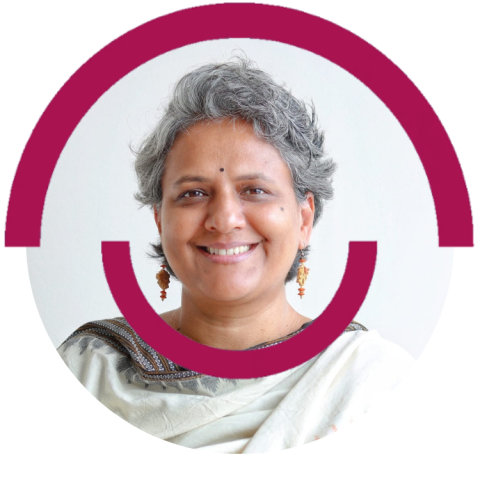
Dr J K Lakshmi