
For most of my conscious life, I have lived with type 1 diabetes. Today, I lead impact at Life for a Child, working at the intersection of global health policy, research, advocacy, and strategic partnerships. One thing this work has taught me is to be cautious of broad categories. In global diabetes conversations, we sometimes talk about low- and middle-income countries as though they represent a shared experience. In reality, some of the most important lessons I have learnt revolve around recognition of the differences within and between them.
Countries facing similar constraints can achieve remarkably different outcomes for children and young people living with diabetes. Some have demonstrated what can happen when leadership, partnership, and persistence align. Others continue to face barriers that place young lives at extraordinary risk.
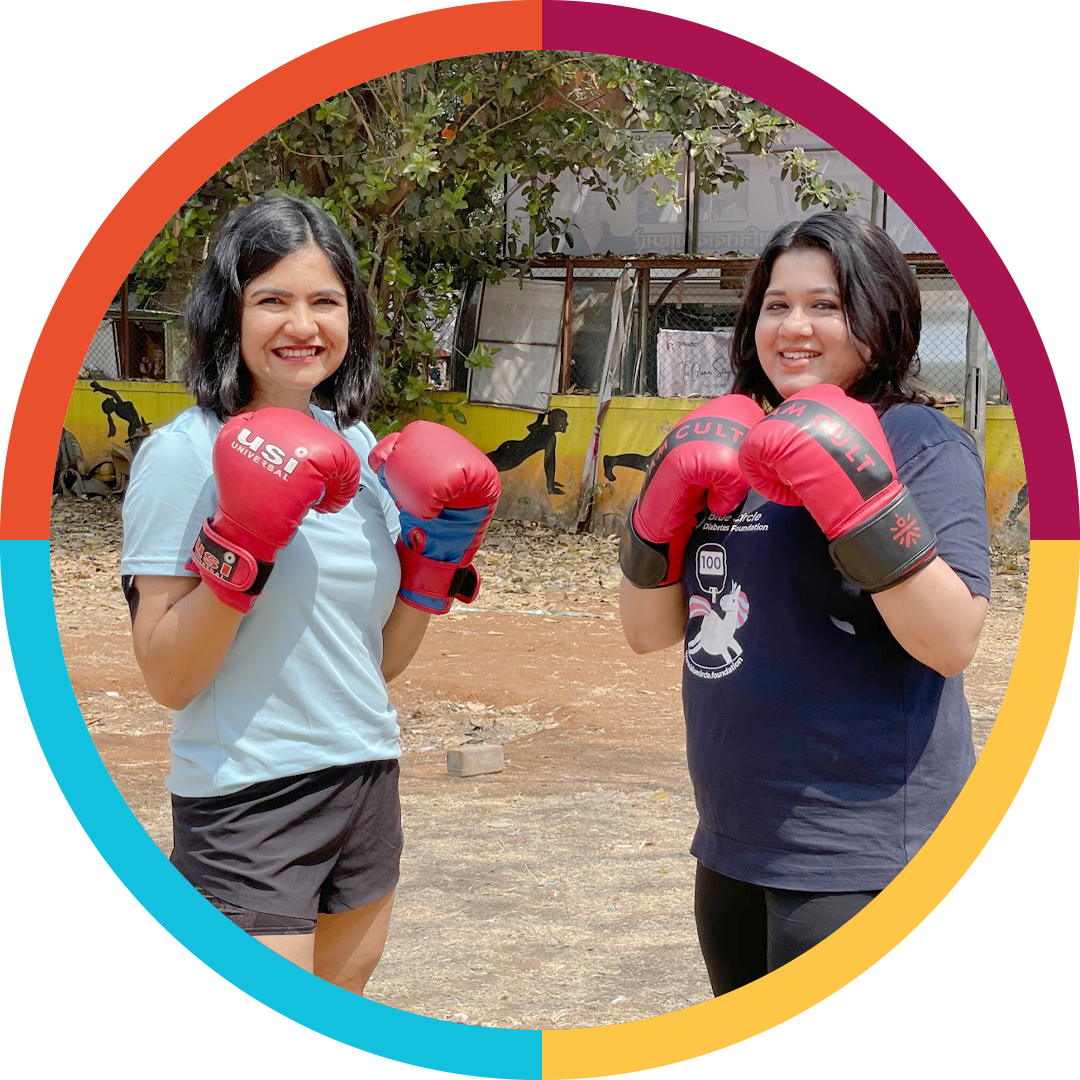
India is home to the world's largest population of children and young people living with type 1 diabetes. The scale of the challenge is immense. Yet in West Bengal, Dr Sujoy Ghosh and colleagues have helped demonstrate what can happen when evidence, public policy, and long-term commitment come together. Drawing on Life for a Child's Intermediate Care model, the government-funded West Bengal programme improved outcomes, wellbeing, and affordability of care for children and young people living with diabetes. More importantly, it helped create a pathway towards sustainable, publicly funded care delivered at scale. What excites me most about that work is its proof that resource constraints do not tell the whole story. Health systems can evolve. Outcomes can improve.
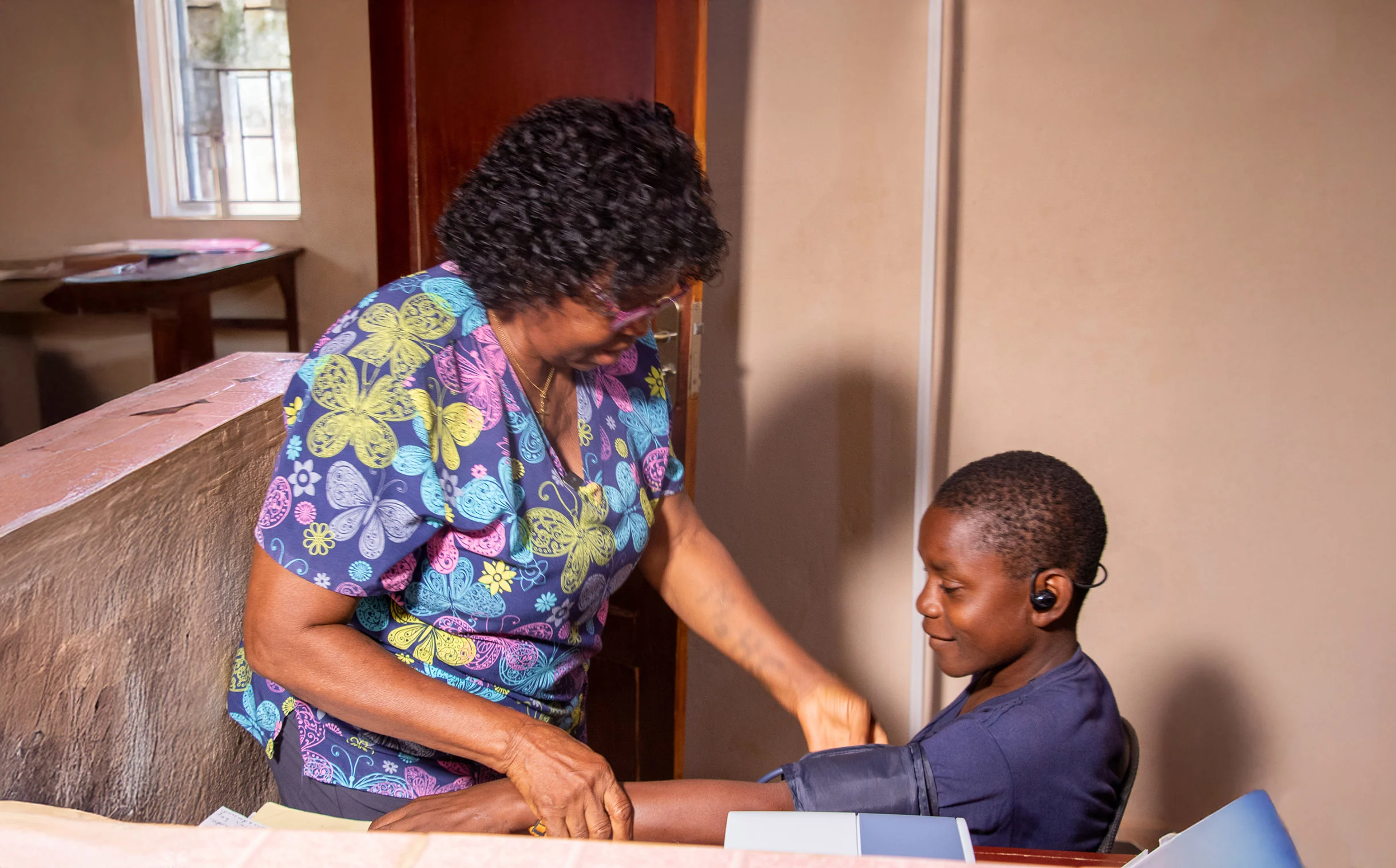
Sierra Leone offers a different lesson. The challenges there are not simply about insulin, supplies, or funding. They are also about trust, information, and how people navigate chronic conditions. Traditional healers are deeply respected and often serve as the first point of contact for healthcare. Diabetes remains highly stigmatised, and misconceptions about its causes detrimentally persist. Families searching for answers are often making decisions in circumstances shaped by uncertainty, limited access to specialised care, and competing sources of advice.
Our colleagues in Sierra Leone have shared heartbreaking stories of young people who began treatment and were doing well, only to seek a cure elsewhere and return critically unwell, or not return at all. Yet the story does not end there. Local teams continue to build diabetes education programmes, support families, challenge stigma, and open dialogues with traditional healer networks. They understand something important: lasting change depends on trust as much as treatment.
What connects West Bengal and Sierra Leone is not their circumstances, but the people working to change them. In both places, local leaders, healthcare professionals, and advocates are finding ways to strengthen care within the realities they face. The specifics are different, but the commitments are not. To me, that is where accountability enters the conversation.
Following the fourth UN High-Level Meeting on NCDs and Mental Health, much attention has rightly focused on commitments and declarations. But accountability is not ultimately about what is promised but more about what changes. If places facing significant challenges can achieve different outcomes, then outcomes cannot be explained by circumstance alone. They are also shaped by decisions, priorities, partnerships, and persistence. No one person or organisation can close these gaps alone. Meaningful progress is driven by local leadership, supported by governments, healthcare professionals, people living with diabetes, communities, researchers, and partners working towards a shared goal. The progress we see in places like West Bengal and the work underway in Sierra Leone point to the same conclusion: better outcomes are possible.
Yes, geography shapes constraints. But it also shapes opportunities. What gives me hope is that it does not write the ending. People do.