
Chronic obstructive pulmonary disease (COPD) is responsible for over three million deaths each year, with the heaviest burden in low- and middle-income countries. It is preventable and treatable, yet many people are undiagnosed or diagnosed very late, after years of breathlessness and cough, when treatment is likely to be less effective.
A major problem is lack of visibility. Awareness of COPD is low in the population, among health workers and policymakers. Without awareness there is little demand for diagnosis, and without demand it is difficult to achieve policy prioritisation.
The Global Initiative for Chronic Obstructive Lung Disease (GOLD) created and has coordinated World COPD Day for 25 years. Each year GOLD sets a theme and provides free resources, including multilingual graphics and a press release, which health professionals, educators, and patient groups adapt for local use. Over the years, activities have been held in more than 50 countries with events creating awareness, developing skills, and/or engaging with decision makers. Examples include:
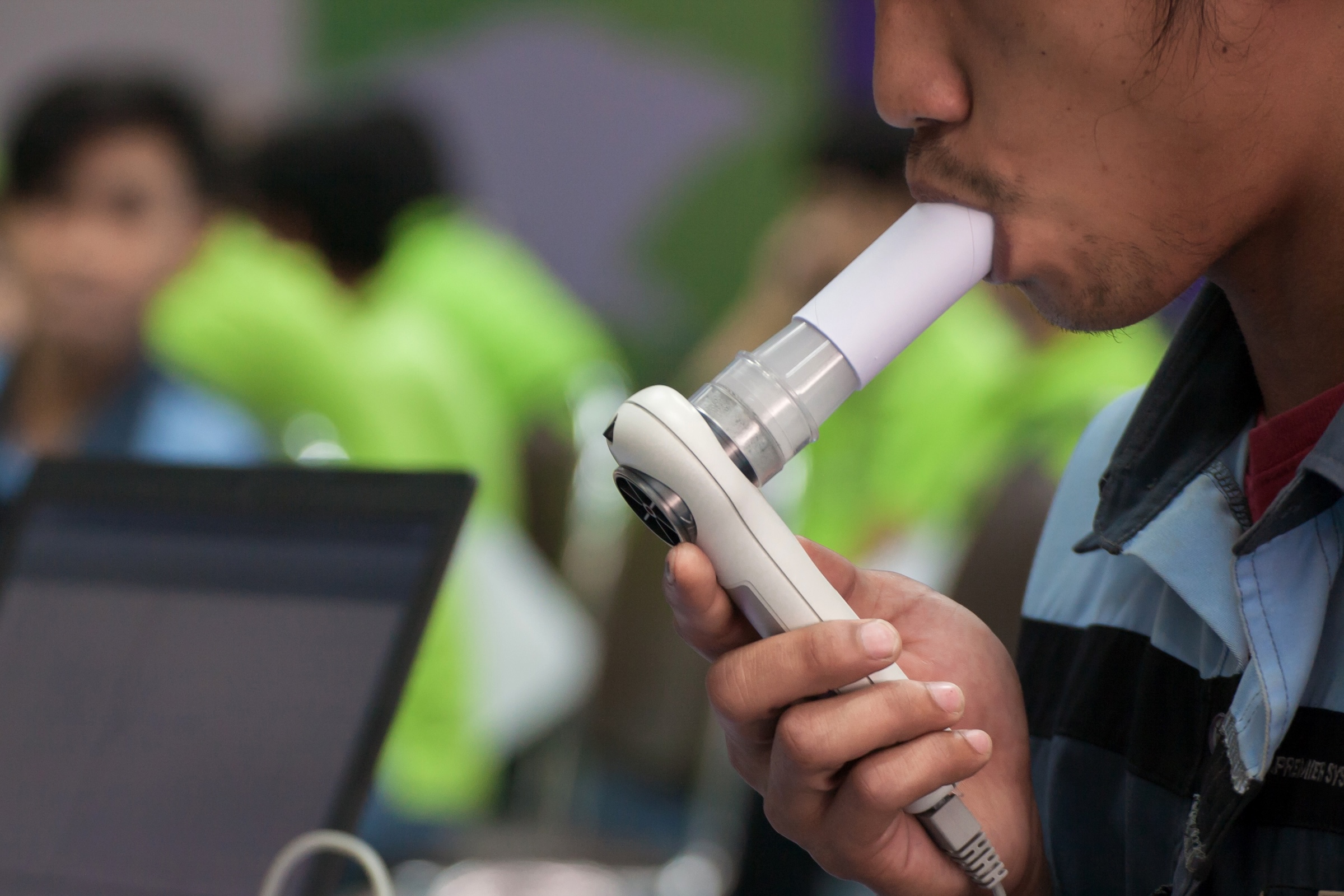
- China: a hospital recruited people at high risk of COPD for lung function testing (spirometry) and smoking cessation advice;
- Colombia: a mobile health unit offered spirometry to people in the community;
- Pakistan: a hospital network offered spirometry screening to its staff;
- The Philippines: patients attended lectures and did spirometry testing;
- Australia: people living with COPD met their members of parliament, and letters were directed to state health ministers.
In Nigeria, the RACE Africa project supported by GOLD trained physiotherapists and doctors on COPD and pulmonary rehabilitation during the last World COPD Day. Pulmonary rehabilitation is an effective and core component of COPD care, but it is poorly utilised. In low resource settings, access is limited due to low levels of knowledge and lack of skilled personnel. Therefore, training doctors and physiotherapists together is expected to help address these gaps.
While World COPD Day events can push the needle towards raising awareness and building skills, it cannot secure the services, the long-term training, and the policies that are needed to improve COPD diagnosis. These depend on leadership and accountability by governments and policymakers.
The Political Declaration of the fourth UN High-Level Meeting (HLM) on NCDs and Mental Health includes a commitment to scale up prevention, early diagnosis, and treatment of COPD within primary health care. World COPD Day is a yearly opportunity to ask whether that commitment is being met and to propose directions. This year GOLD suggests:
- Governments should turn the HLM commitment into national plans, with COPD diagnosis and management in primary health care, access to spirometry, and trained staff at the core;
- Professional societies and academic institutions should use the Day to deliver training and case-finding activities and publish accounts of what was done and what changed;
- Health facilities should identify people with symptoms or risk factors and offer multidisciplinary care, including pulmonary rehabilitation;
- Patient groups, civil society, and the media should keep COPD visible throughout the year and ask decision-makers to report on progress.
In 2026, the theme is Early diagnosis and management for a better life. It naturally builds on the 2025 theme, Short of Breath, Think COPD, which encouraged recognition of symptoms. This year we are stressing that symptom recognition must be followed by confirmation of a COPD diagnosis with spirometry and starting appropriate care earlier, when it can reduce symptoms and slow progression. GOLD therefore recommends active case finding, with spirometry for people who have symptoms or risk factors.
Closing the diagnostic gap is a leadership task and GOLD will continue to work with national leaders and health professionals to bring COPD to the attention of governments, health workers, and the public. Awareness raised on 18 November will only matter if it leads to action and accountability throughout the year.
Dr Obianuju Ozoh