
My history with kidney disease did not start with advocacy. It started in my body — in the diagnosis, treatment, uncertainty, and slow reorganisation of my life around my health. It was only after my father’s death at the hands of kidney disease and my own kidney transplant that I recognised the value of patients holding a seat at the table where decisions are made.
That experience brought me to a conviction that I carry into every conversation with a policymaker: Knowledge cannot stay locked in clinical or technical spaces. It belongs to the people. That is why, through the Mario Robles Ossio Foundation — named after my father — the Alliance for Kidney Health in Mexico, and the Global Patient Alliance for Kidney Health, I work to break down barriers to kidney health and partner with policymakers to make real, lasting change.
The greatest challenge I face in this work is making kidney disease visible within the NCD agenda. For too long it has been an invisible disease — not only in the clinic, but in policy. That invisibility translates into a lack of data, an absence of national registries, fragmented care pathways, and ultimately, delayed and costly responses.
Moving the conversation from managing advanced kidney disease toward prevention, timely detection, and continuity of care has required patience and persistence. But the landscape is shifting in the right direction, with kidney disease being named as a major burden in the UN’s Political Declaration on NCDs in September 2025. For those of us who have spent years making the case for early screening and diagnosis, this was huge. It is recognition that, at the highest level, kidney disease belongs in the continuum of NCD response.
Priorities Must Become Action
Declarations alone do not change reality. Without accountability, the risk remains that NCDs will continue to advance while responses remain on paper.
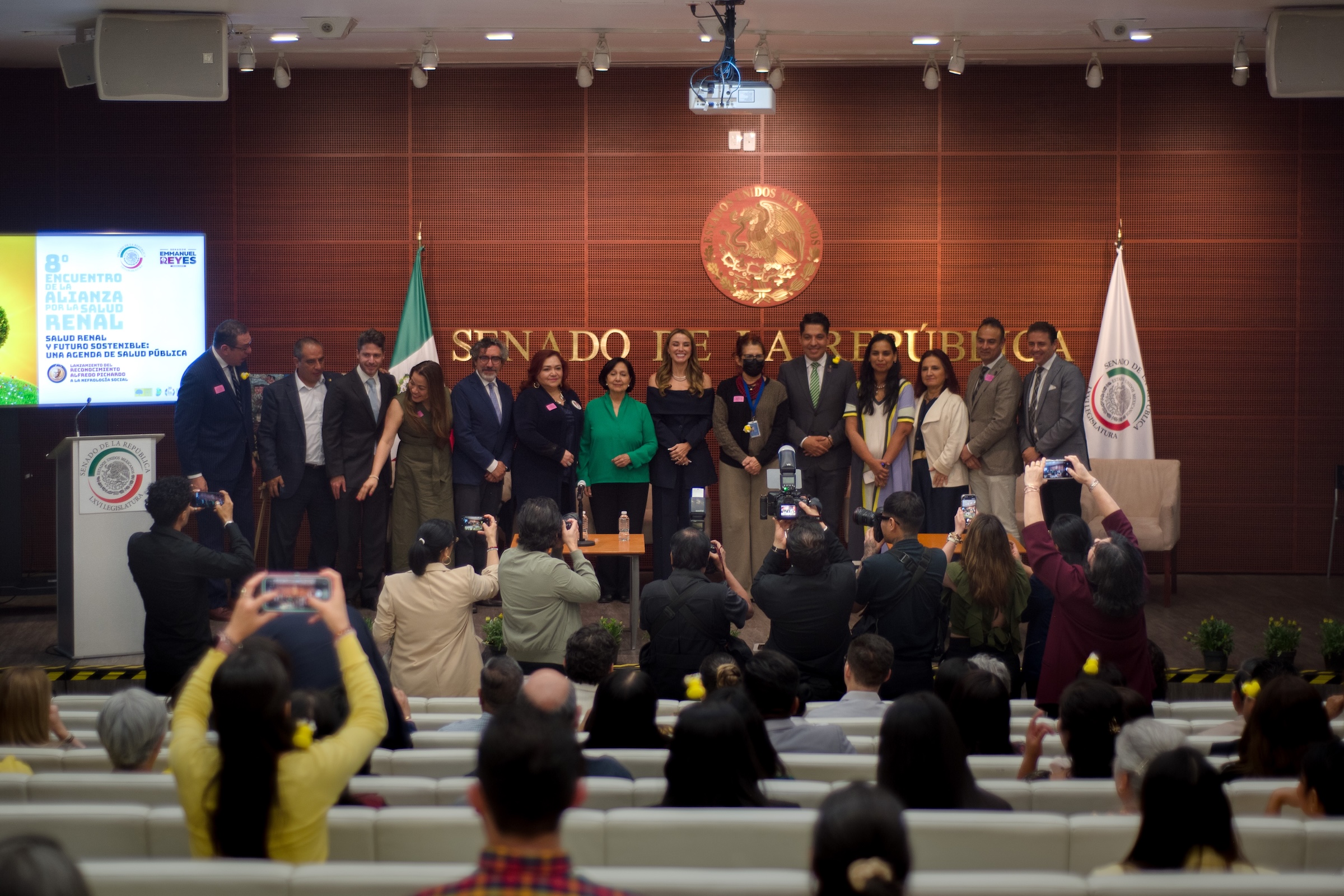
In Mexico, we have demonstrated what accountability can look like in practice. We have successfully positioned kidney disease at the centre of key legislative discussions, including a proposal to establish a National Kidney Disease Registry that would generate the data needed to inform better decision-making. We have also created spaces for multidisciplinary dialogue within Congress, bringing together patients, healthcare professionals, policymakers, and the public around a shared agenda. These advances have been made possible through strategic alliances, sustained effort, and a narrative that effectively connects patient experience with the urgency of public policy reform.
Lived Experience is Key
One of the most important lessons I have learned in this work is that evidence alone does not transform public policy. It requires a compelling narrative, an engaged community, and sustained persistence. Lived experience gives a human face to the data, opening doors that evidence alone cannot. Patients are not merely passive beneficiaries of health systems —they are essential partners, bringing irreplaceable knowledge that is urgently needed at every level of decision-making.
For meaningful change to occur, we must create safe spaces where patient voices are not only heard but actively integrated into solutions. Organised communities have the capacity to drive responses to the NCD crisis, but governments and health systems must meet them halfway — by opening these spaces and recognising patients as true partners in shaping health policy.
My role, as I see it, is to build bridges between patients and health systems, evidence and policy, and between what is promised and what is delivered. The UN Political Declaration has given us a mandate. Now it is time for all of us, patients, advocates, and governments, to lead.
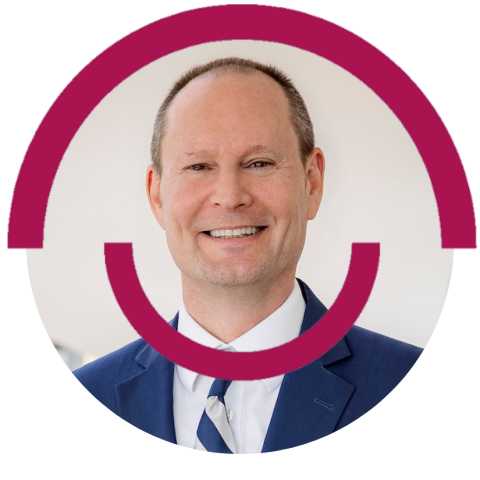
Perspective from Sandy Sommer, Corporate SVP, Head of Therapeutic Area Cardiovascular, Renal, and Metabolic at Boehringer Ingelheim
I congratulate Marisol for the truly important and inspiring work she is conducting in Mexico. Following last year’s World Health Assembly Resolution on Kidney Health, and the UN Political Declaration on NCDs and Mental Health, it is clear that global recognition alone is not enough. These commitments must now be translated into concrete national action. Strong champions, such as Marisol, play a critical role in pushing beyond declarations to drive meaningful policy change and improve kidney care for the millions of people affected.
At Boehringer Ingelheim, we have a long-standing commitment to improving care for people with kidney disease, particularly chronic kidney disease (CKD), as well as other cardiovascular, renal and metabolic conditions, which co-exist and amplify one another.
Early detection is paramount. We know that simple screening approaches, such as a urine (uACR) test alongside a kidney function (eGFR) test, can detect CKD before it progresses to advanced stages, and often before it results in cardiovascular disease, the leading cause of death among people with CKD.
But, to echo Marisol, ensuring policymakers are compelled to take national action, including on early detection, requires embedding the invaluable insights of those with lived experience in decision-making. Through our advocacy, we work closely with those affected by these conditions, like Marisol, to ensure that lived experience is at the core of national policy. Find out more about our work to ensure patients have a voice in policy decision-making.
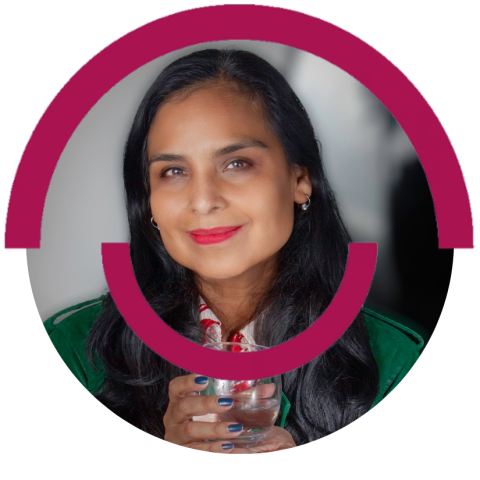
Marisol Robles