
I was diagnosed with type 1 diabetes shortly after graduating in 2021. Like anyone receiving that diagnosis, I had to learn a new way of living. Suddenly, every day depended on decisions about insulin, food, and my blood glucose levels. I had to understand my body in a way I never had before. It was difficult, and it took time to stabilise my condition, but eventually I began to find a routine.
Then, in 2023, the military conflict changed everything.
I lost my home. I lived under constant fear and uncertainty. The routines that had helped me manage my diabetes disappeared almost overnight.
For someone with type 1 diabetes, insulin is not something that can be skipped until circumstances improve. My body cannot survive without it. I also need test strips and a glucose meter to understand whether my blood sugar is dangerously high or low.
But as the conflict continued, even these most basic supplies became almost impossible to find. Eventually, I ran out of test strips. I could no longer measure my blood glucose. Instead, I had to rely on guesswork, trying to understand what was happening inside my body from the way I felt. Then my insulin began to run out too.
Managing type 1 diabetes this way is incredibly dangerous. Food was scarce, which created another problem. Insulin lowers blood glucose, but without enough food, it can cause severe hypoglycaemia. I often found myself trying to balance the insulin I needed to survive against the small amount of food that was available.
There were moments when my blood glucose dropped dangerously low, and there was almost nothing to eat. At one point, I had no insulin left at all until a paramedic gave me one insulin pen. To somebody else, it might have looked like a small piece of medical equipment. To me, in that moment, it meant life.
That experience has never left me.
“I lost my home, was living in constant fear and then ran out of insulin and test strips. I relied on guesswork to manage my blood glucose, often facing dangerous hypoglycaemia with almost no food. At one point, I had no insulin left until a paramedic gave me an insulin pen. It meant life.”
Diabetes travels with you
People often think of diabetes management as a medical routine: take insulin, check your glucose, eat regular meals, and attend appointments. But all those things depend on a functioning world around you.
You need pharmacies with medicines. You need healthcare professionals. You need test strips, needles, and syringes. You need food and clean water. Insulin must be stored safely, often requiring refrigeration. You need a way to reach a clinic if something goes wrong. Conflict can take all of that away.
When hospitals are damaged, roads become dangerous, and humanitarian supplies cannot move freely, a manageable condition can quickly become life-threatening. My diabetes was only one part of what I was trying to survive. Days after receiving that insulin pen, my father died in my hands.
There are experiences for which words will never feel sufficient. I was grieving while trying to stay alive, trying to manage my blood glucose, and trying to work out what would happen next.
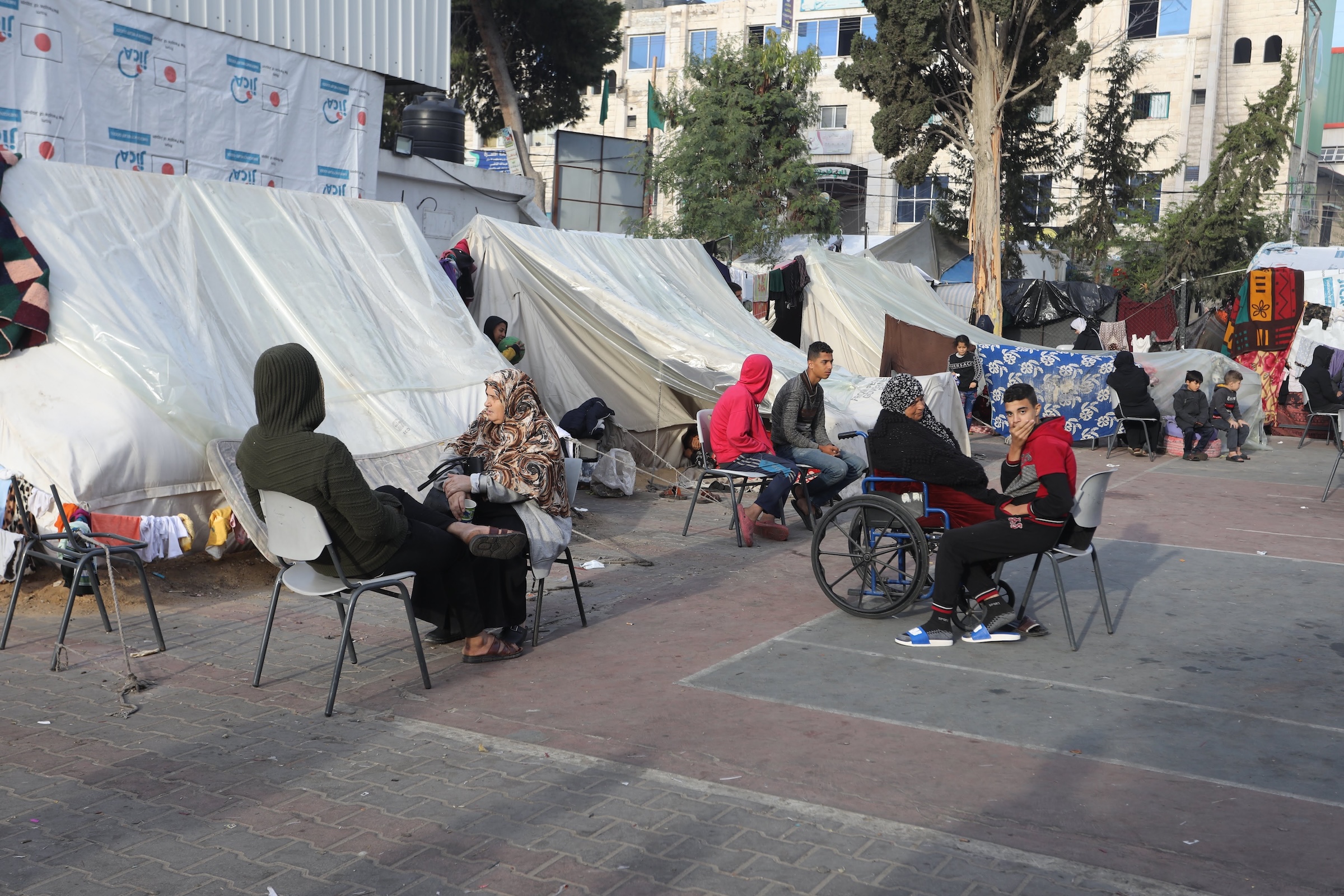
Eventually, we fled. We walked 17 kilometres in search of safety before reaching Egypt. Leaving Gaza did not immediately solve the problem. Even after crossing the border, access to insulin remained uncertain. Displacement does not automatically restore healthcare. When people are forced to flee their homes, they can lose contact with their doctors, medical records, prescriptions, and the pharmacies they once relied on.
For someone living with diabetes, every interruption matters. This is why the experiences of refugees and displaced people with diabetes deserve urgent attention. A refugee can be anyone. Conflict, violence, and persecution can force people from lives that once felt ordinary and predictable. When that happens, a person does not leave their health condition behind.
Insulin is not a luxury
Today, people living with diabetes in Gaza continue to face shortages of insulin and supplies. Destroyed and damaged health facilities, disrupted cold chains, movement restrictions, and difficulties distributing humanitarian supplies make treatment harder to access.
An insulin shortage is dangerous enough. But diabetes care requires more than insulin alone. Without glucometers, test strips, syringes, needles, and regular clinical follow-up, people are forced to manage their condition with fewer and fewer tools.
For people with type 1 diabetes, those shortages can lead to diabetic ketoacidosis, severe hypoglycaemia, serious complications and death. My story is one example of what those shortages mean in a human life. I did not defeat the difficulties of living with my condition. Instead, I learned how to live with them.
I am still fighting for my health, for access to treatment and for the right to live with dignity. I carry what happened to my family and to my home with me. But I also carry hope.
My story is not only a story about diabetes. It is about survival, displacement, grief, and dignity. It is about what happens when essential healthcare becomes inaccessible, and about the people who continue trying to live despite circumstances that make even basic treatment uncertain.
No person with type 1 diabetes should have to wonder whether their next dose of insulin will arrive. No parent should have to search through a conflict zone for medicine that keeps their child alive. No refugee should be forced to choose between food, transport, and essential medical care.
Insulin is not a luxury. It is not optional. For people like me, insulin is life.
And access to it should be treated as a human right.