

Every few years, the global health community makes new commitments on noncommunicable diseases (NCDs). The Fourth UN High-Level Meeting on NCDs and Mental Health in 2025 gave governments another opportunity to recognise the scale of the challenge and agree on what needs to change. Once the Political Declaration was adopted, the real question is whether commitments made on paper actually translate into concrete actions to improve access to NCD care. For cardiovascular disease (CVD), that question is particularly urgent.
CVD killed an estimated 19.8 million people in 2022, about a third of all deaths worldwide, with more than three-quarters occurring in low- and middle-income countries. Most of this is preventable using cost-effective interventions we’ve had for decades.
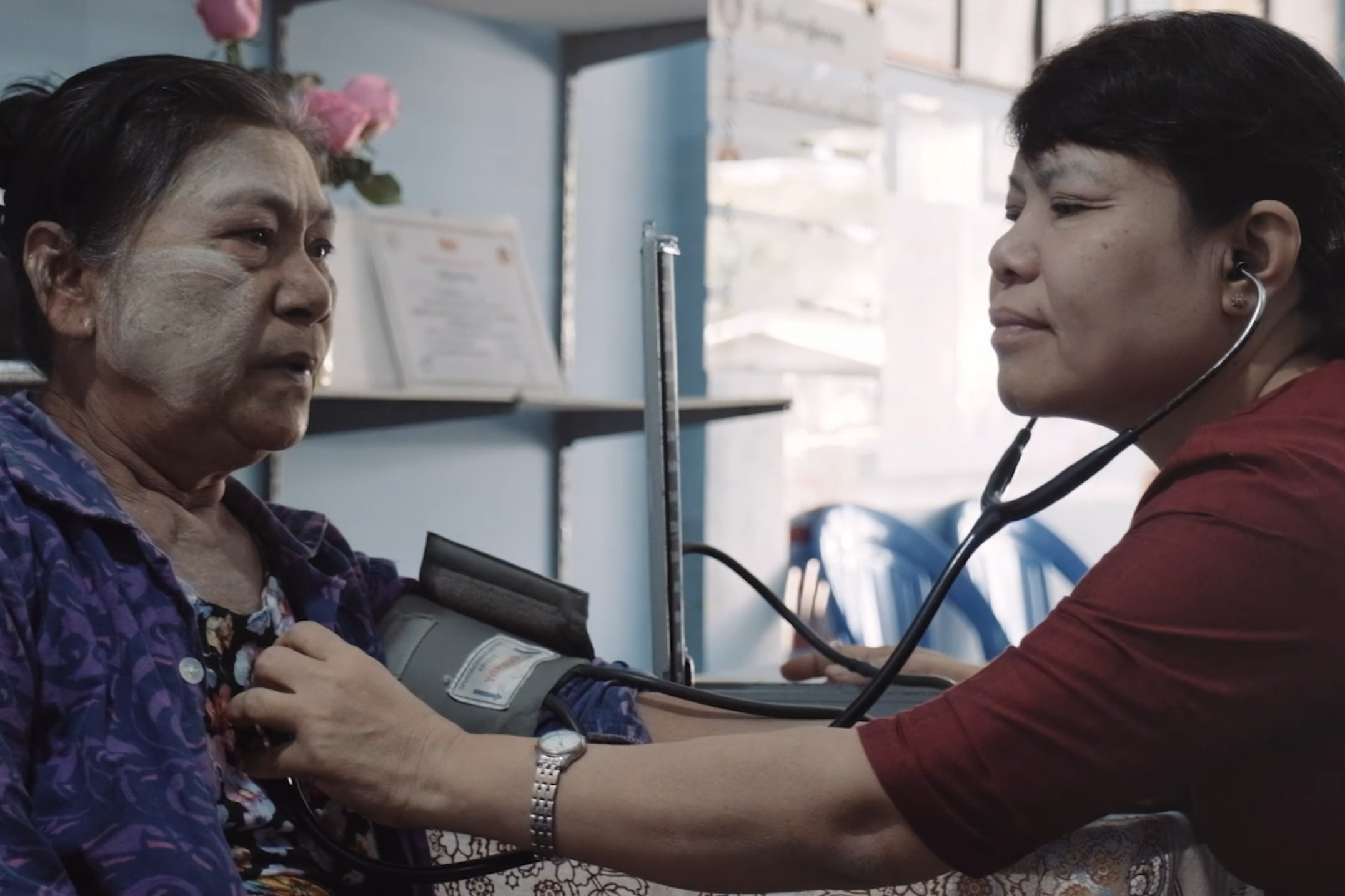
Hypertension is perhaps the clearest example of the gap between what we know and what we deliver. In 2024, 1.4 billion adults aged 30-79 were living with hypertension globally. Around 600 million did not know they had it and only 23% had their blood pressure under control. Yet we know how to diagnose and treat hypertension through primary healthcare, often with inexpensive generic medicines. This is clearly an implementation problem: only 4 of 195 countries have reached 50% blood pressure control, while 99 countries sit below 20%, according to the latest WHO Global Report on Hypertension.
At the World Heart Federation, we repeatedly see the same barriers: cardiovascular priorities are included in broader NCD strategies, but often lack the specificity to drive action. Responsibilities are fragmented and funding does not always follow the commitments. Targets can focus on mortality, while missing whether people are diagnosed, treated, and controlled.
That is one reason WHF developed its Framework for a Cardiovascular Health Action Plan. Our analysis found that, as of 2024, fewer than 20 countries had a dedicated national cardiovascular health strategy or action plan. The point is not to create another document, but to help governments move from broad commitments to comprehensive plans with clear priorities and measurable targets, backed by clear responsibilities and financing mechanisms.
Implementation also depends on advocacy. Evidence changes outcomes when advocates, policymakers, health professionals, communities, and people affected by CVD can act on it.
At the American Heart Association, we see this collaborative approach as essential to advancing cardiovascular health globally. No single organisation, sector, or country can address the scale and complexity of CVD alone. Progress depends on connecting global commitments with national policy, strengthening health systems while also building capacity in communities, and ensuring that the voices of people affected by CVD help shape the policies intended to serve them.
The next phase of NCD leadership needs to get concrete. How many people with hypertension are diagnosed, treated, and controlled? Are essential medicines available and affordable in primary care? And are some communities being left behind?
These questions reveal whether health systems are delivering on access, quality, equity, and continuity of care and whether universal health coverage is working.
National plans need funding. Primary healthcare must be able to deliver. Medicines and diagnostics need to reach people. Targets must measure diagnosis, treatment, and control, not just mortality. People living with CVD and civil society also need the information required to assess whether commitments are being delivered.
By the time we reach the next global milestone on NCDs, we should be able to show that more people know they have high blood pressure, more are receiving the treatment they need, and more are living with their condition under control.
That's what accountability should actually be measuring.
Elisa Codato