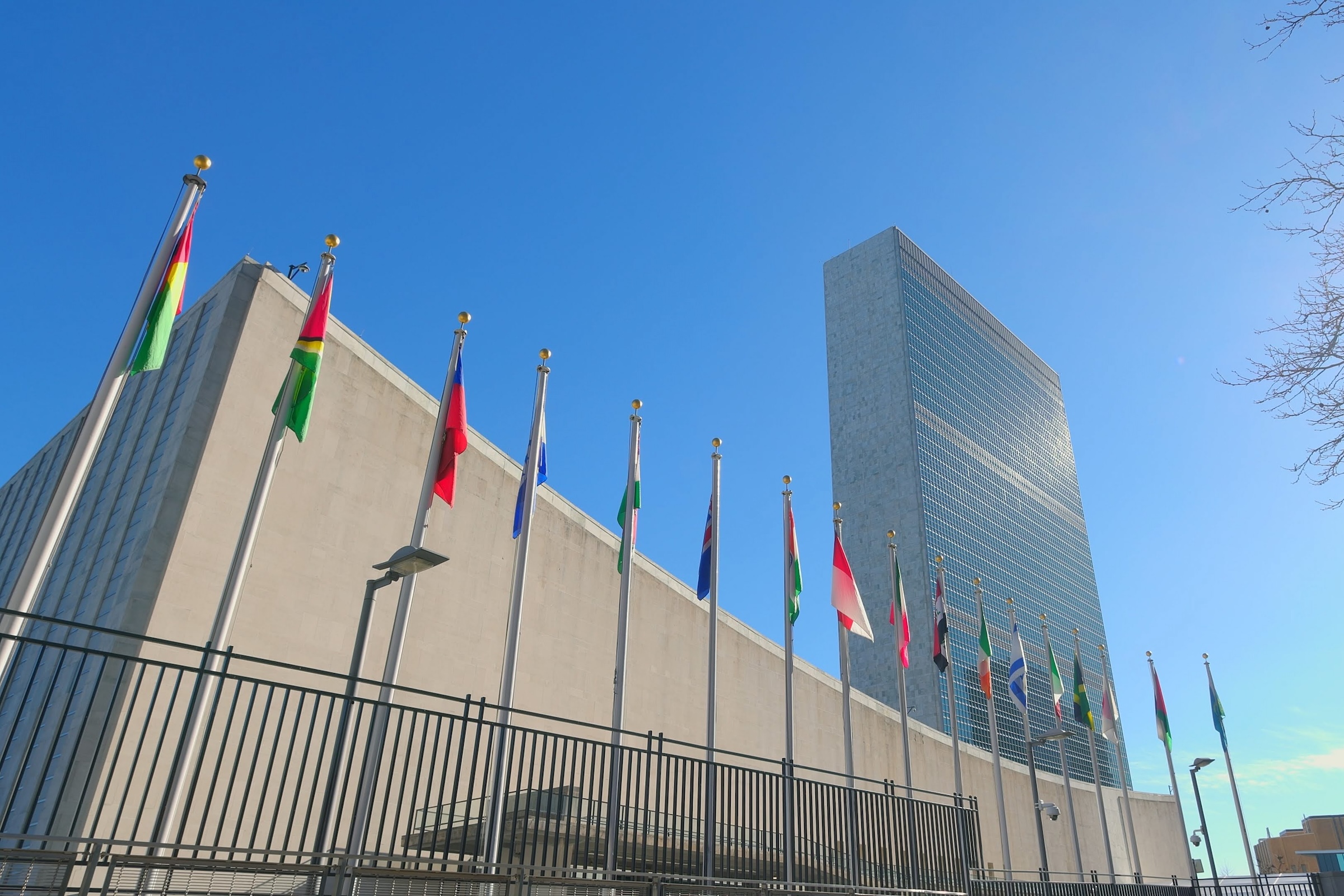

As I return home from the UN High-Level Meeting (HLM) on Pandemic Prevention, Preparedness and Response (PPPR), I’m struck by the urgency of the challenge and the critical importance of countries working together to build a world better prepared for the next pandemic.
Yet I leave New York with a broader question: As global health issues increasingly compete for political attention in separate UN processes, are we focusing enough on the fundamental principles that connect them, and that ultimately determine whether we can achieve health for all?
Recent years have seen the proliferation of health-related UN HLMs since the first on HIV/AIDs back in 2001, which resulted in increased political and financial commitments to HIV/AIDS. This arguably played a vital role in the substantial decline in burden of disease that followed.
This year’s meeting on PPPR comes between the recent UN HLMs on noncommunicable diseases (NCDs) and HIV/AIDS, and next year’s meeting on UHC. While pursued through separate policy processes, these issues are fundamentally interconnected. Evidence increasingly points to the links between infectious diseases and NCDs, which interact through multiple ways including overlapping risk factors, shared mechanisms, and bidirectional pathways.
Although important to elevate a thematic topic to the highest political level, discussions in isolation risk further fragmentation and missed opportunities to strengthen political leadership and action around fundamental principles supporting progress towards health for all. These include:
- Engaging communities and people with lived experiences to play a meaningful role in the design, implementation, and monitoring of health policies through institutionalising and resourcing social participation mechanisms. This is essential to building trust between governments and citizens — an often neglected component of health systems infrastructure.
- Strengthening accountability through routine collection and reporting of data disaggregated by sex, gender, and other equity dimensions, and use of transparent review processes to identify who is being left behind and guide targeted action to reduce health inequities.
- Investing in resilient primary health care: Health systems should move beyond fragmented disease-specific approaches and support integrated, people-centered care through strengthening primary health care to deliver a range of essential services across NCDs, mental health, infectious diseases, and sexual and reproductive health services.
- Mobilising sustainable health financing and improving financial protection through strengthening public financing and reducing out-of-pocket expenditure for health.
High-level meetings can generate ambitious commitments, but history shows that commitments alone do not guarantee action or accountability. If we continue to tackle interconnected health challenges in silos, we risk fragmenting attention, resources, and advocacy.
As efforts to reform the global health architecture are underway, next September’s UN HLM on UHC offers an important opportunity to turn greater coherence into practice. Governments should focus on building on and delivering existing commitments and strengthening health systems that underpin progress across all health priorities. Success should not be measured by another set of promises made in New York, but by whether this moment helps translate existing commitments into sustained investment, greater accountability, and meaningful improvements in people’s lives.