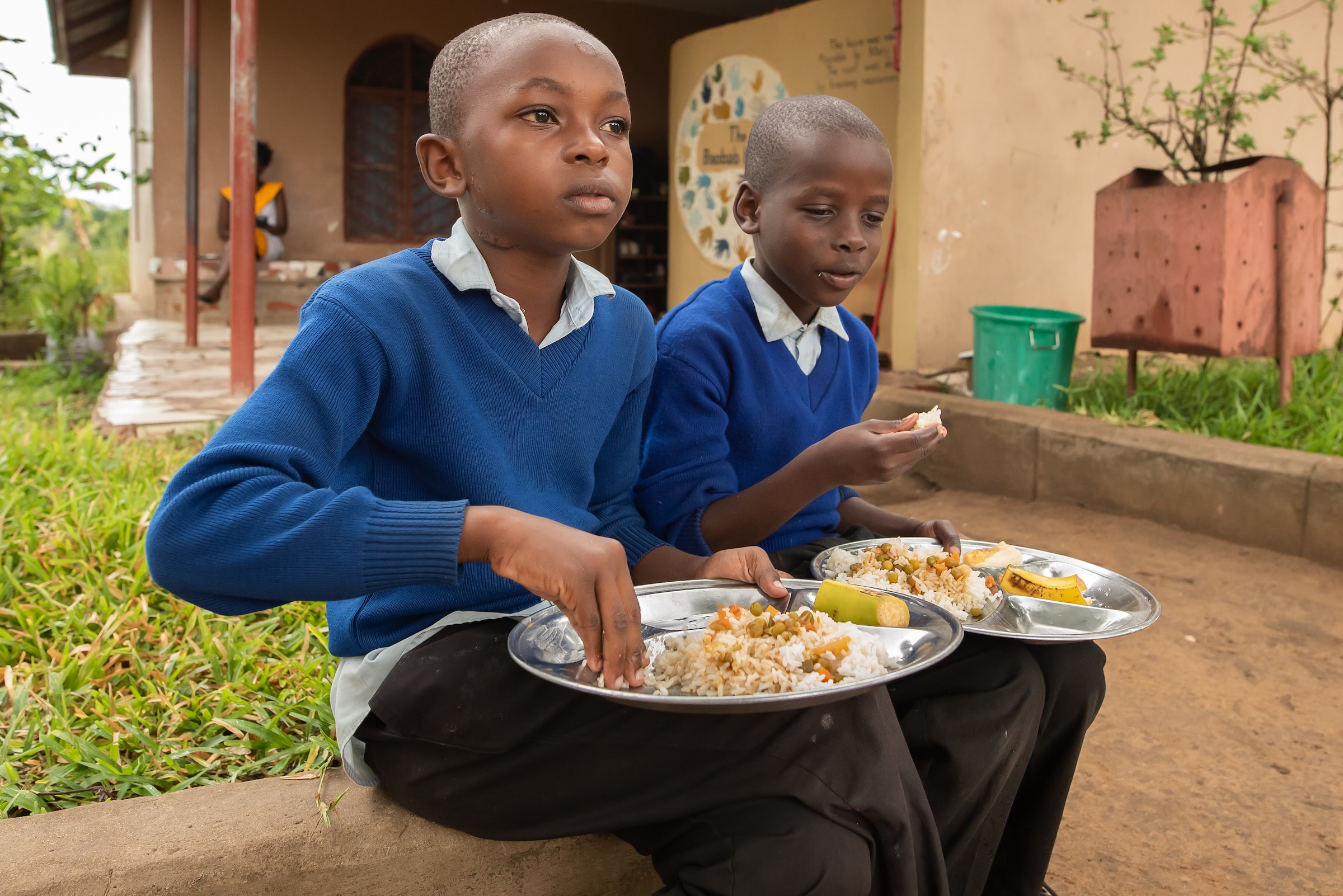

Public institutions serve millions of Nigerians daily, making them powerful platforms for shaping long-term dietary habits. Improving the nutritional quality of foods in these settings can help lower population-level risk factors for the rising burden of noncommunicable diseases (NCDs) that Nigeria currently faces. A recent analysis found that foods in public institutions and government facilities lack standards addressing health or nutrition, meaning public funds might unintentionally support food environments that promote diets high in salt, sugar, and unhealthy fats, which hinders national efforts to prevent NCDs.
Public food procurement and service policies use government purchasing power to shape healthier food environments. By setting mandatory, healthy nutrition standards for foods bought and served with public funds — across schools, hospitals, workplaces, and other public institutions — governments can improve diet quality at scale, reduce diet‑related NCDs, and model best practice for the private sector. Large, predictable demand can also send a strong market signal, shifting suppliers toward healthier, more affordable foods, and support local supply chains contributing to broader food system transformation.
Overview of Nigeria’s National Guidelines on Public Procurement of Food and Related Services
Resolve to Save Lives supported the Government of Nigeria to develop the National Guidelines on Public Procurement of Food and Related Services, institutionalising nutrition standards across public sector food environments. The Guideline sets a structured framework for food selection, preparation, and service in publicly funded institutions, ensuring alignment with national health and nutrition priorities. It aims to promote healthy diets, reduce malnutrition, prevent diet-related NCDs, advance environmental sustainability and local economic development, and establish a unified, accountable approach to implementation and monitoring across public institutions.
The Guideline applies to all public entities responsible for food procurement and services. It covers all stages of the food service chain, including procurement, distribution, preparation, and service, and is aligned with existing nutrition and food safety standards.
Lessons from Nigeria
Our experience in developing the Guideline offers important lessons. A key success was the establishment of a multi-sectoral Technical Working Group, which brought together stakeholders from health, procurement, regulatory agencies, and other sectors. This platform ensures coordinated leadership and strengthened ownership, and it facilitated alignment across diverse actors.
Another critical milestone was the development and deployment of a structured assessment tool across public institutions. This tool enabled us to collect factual, institution-specific information, including mandates, roles, responsibilities, operational capacities, and ongoing activities, providing a clear understanding of existing systems and gaps. It also clarified accountability for food procurement and service functions. This evidence-driven approach ensured that the Guideline was grounded in institutional realities. A critical component of the Guideline is the inclusion of nutrition standards, tailored to the local context and aligned with WHO dietary recommendations, to guide the procurement, preparation, and service of food.
The process also highlighted the importance of sustained stakeholder engagement and technical coordination, particularly in navigating institutional mandates and building consensus.
We recognise that effective implementation will be critical and are prioritising the development of tools, capacity-building initiatives, and training to support institutions in adopting the Guideline.
Call to action
Public food procurement and service remains an underutilised yet highly impactful policy lever for equitably improving diets and preventing NCDs. As we move towards implementation, sustained commitment, cross-sector collaboration, and partner support will be essential. We see a strong opportunity for countries to learn from Nigeria’s experience and harness public food systems to create healthier food environments for all.